
Internationals Employability Framework: How immigration through higher education facilitates the labour-market entry and retention of international STEM professionals
Berlin, 7th May 2026 — Germany’s long-term competitiveness depends on its ability to attract, support, and retain international talent. The new discussion paper Between Graduation and Career Entry by Stifterverband and DEGIS shows that immigration through higher education is one of the most effective pathways for international STEM professionals to enter the German labour market and stay in Germany long-term.
Based on survey data from more than 6,400 international students, graduates, job seekers, and working professionals, the discussion paper examines which factors support successful labour-market entry, workplace integration, and long-term retention in Germany.
The findings are clear: internationals who come to Germany through higher education are three times more likely to find employment than those who come directly for job search. They also integrate more easily into German workplace culture, report higher job satisfaction, and are more likely to extend their intention to stay in Germany.
At the same time, the discussion paper highlights the scale of Germany’s skilled-worker challenge. Around 1.85 million STEM employees over the age of 55 are expected to leave the labour market within the next ten years. Without the growth in foreign skilled workers, Germany’s current STEM skills gap would be 3.2 times larger.
“Germany’s competitiveness depends on international talent, and the data leaves no doubt: students who come through a German university are three times more likely to find a job here. I am convinced universities are our most powerful lever — and policy must now follow the evidence: invest where the impact is highest, and embed language, practical experience, and networks in every programme. We now know what works — and that’s the path to success: for the students who chose Germany, and for Germany itself.”
Jonas Marggraf
Managing Director, DEGIS
At a time when many negative stories around studying and working in Germany are circulating, the discussion paper offers a clearer picture: we now have a recipe for success. German-language proficiency, self-efficacy, academic performance, and practical experience during studies emerge as key factors for entering the German labour market.
Field-related student jobs are especially relevant, with internationals who gain work experience related to their field of study having an 84% higher probability of finding employment, while unrelated side jobs reduce the likelihood of successful labour-market entry.
Successful employment is also closely linked to long-term retention. Internationals who originally planned to stay in Germany only temporarily are 75% more likely to want to stay permanently once they find a job.
For DEGIS, the findings underline the importance of supporting international students not only during their studies, but throughout their transition into the German labour market. Universities, companies, and policymakers all have a role to play in strengthening Germany’s position as a destination for international talent.
Recommended actions include giving immigration through higher education greater political priority, expanding university support structures for international students, embedding German-language learning and practical experience more firmly into study programmes, and strengthening cooperation between universities and companies.
With the right support structures in place, international students can become one of Germany’s strongest pathways to skilled-worker retention, integration, and long-term competitiveness.

 I still think about the arc of it. From someone needing help navigating the landscape of Germany, to now helping run the infrastructure that supports people in the exact same situation, I have treaded an amazing path. It has been a surreal experience and a truly amazing journey.
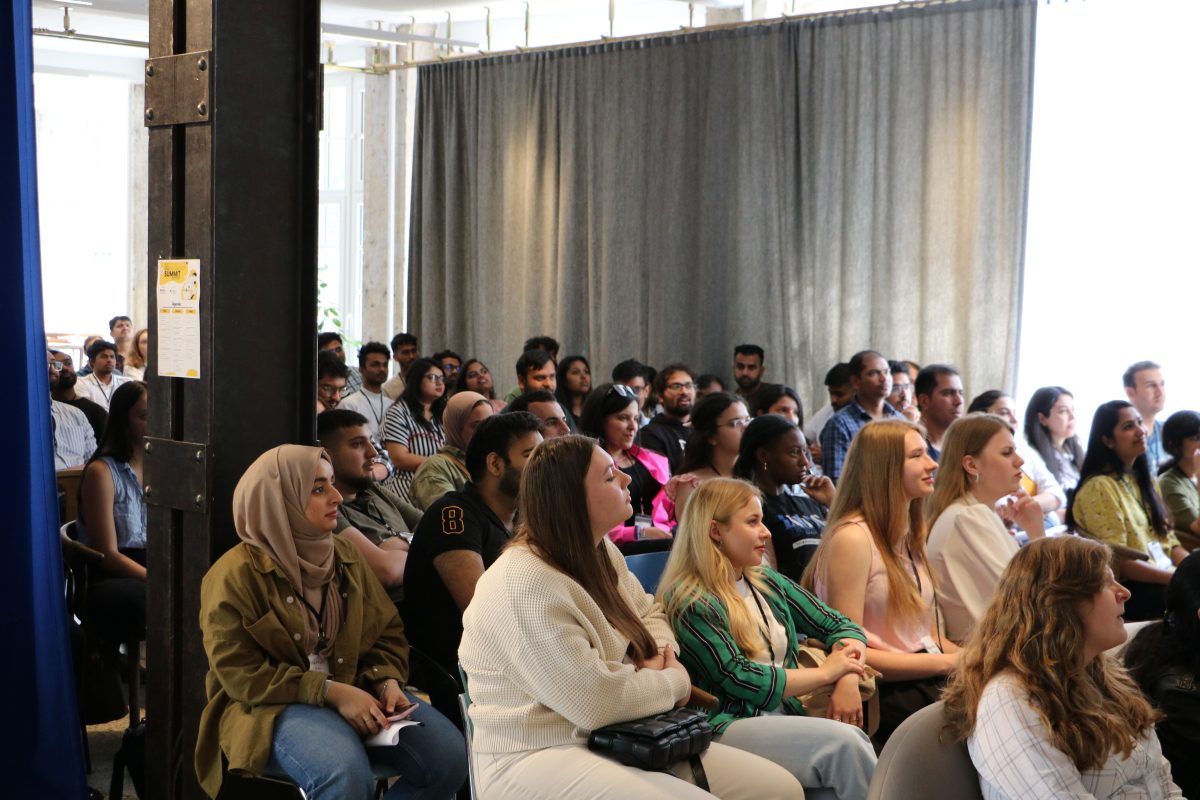
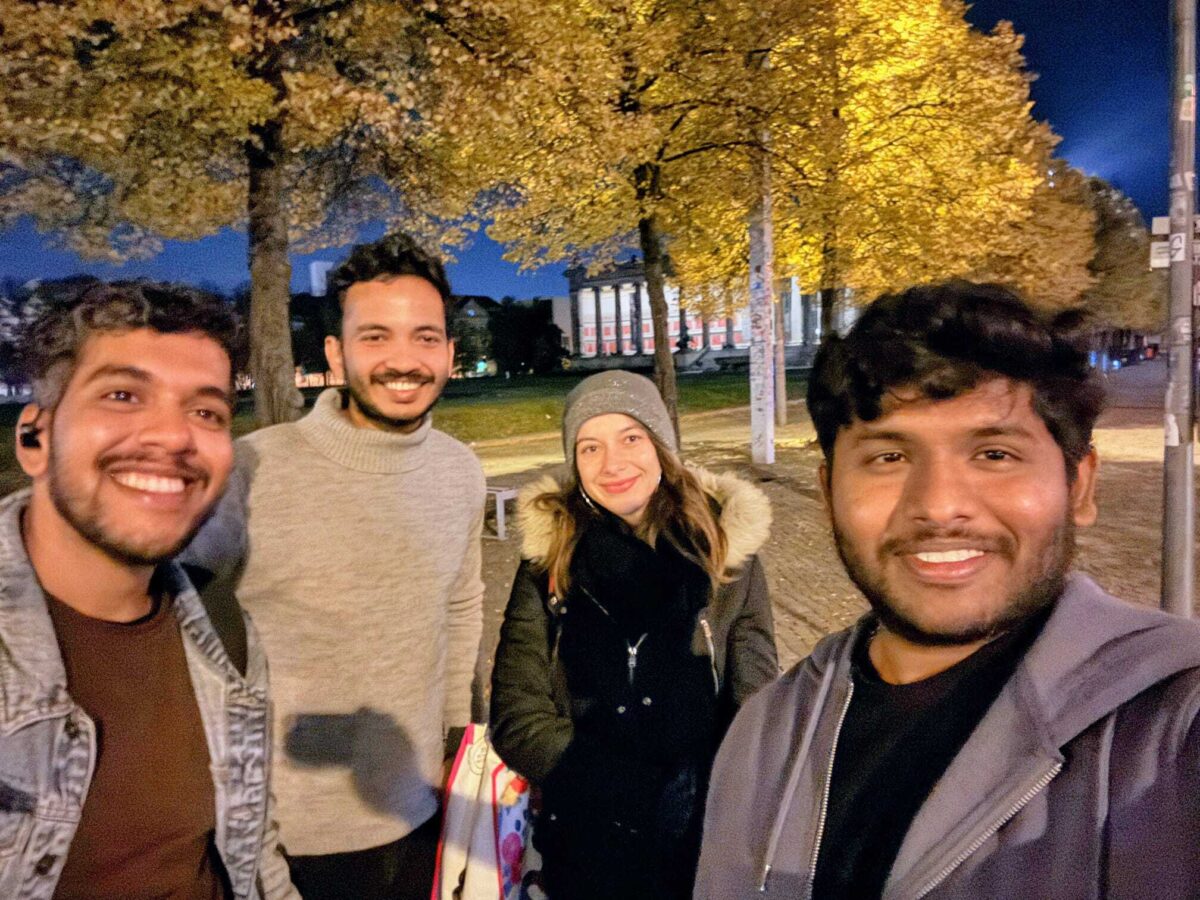
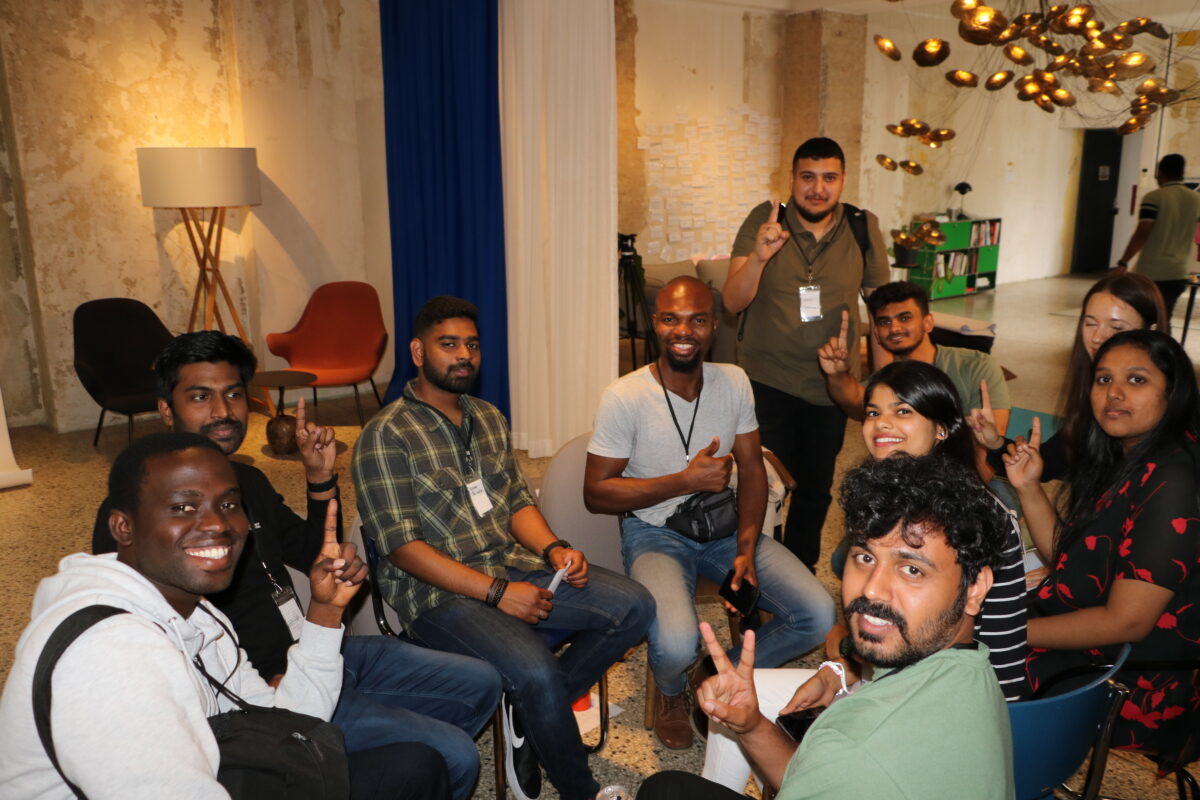
 This semester, DEGIS reached an active presence in over 60 cities, driven by volunteers committed to creating spaces where international students can survive, thrive, and vibe.
 Moving to a big German city sounds exciting, but many students quickly realize it can feel just as lonely as it is lively. Even though cities like Berlin, Munich, Stuttgart are full of events, opportunities, and endless things to do, it’s still hard to know where to begin. Students often arrive and feel lost in the crowd, unsure of where to meet others or how to build a real social circle. Do you feel the same?
 But small cities also have something powerful: the opportunity for students to take real ownership.
 My name is
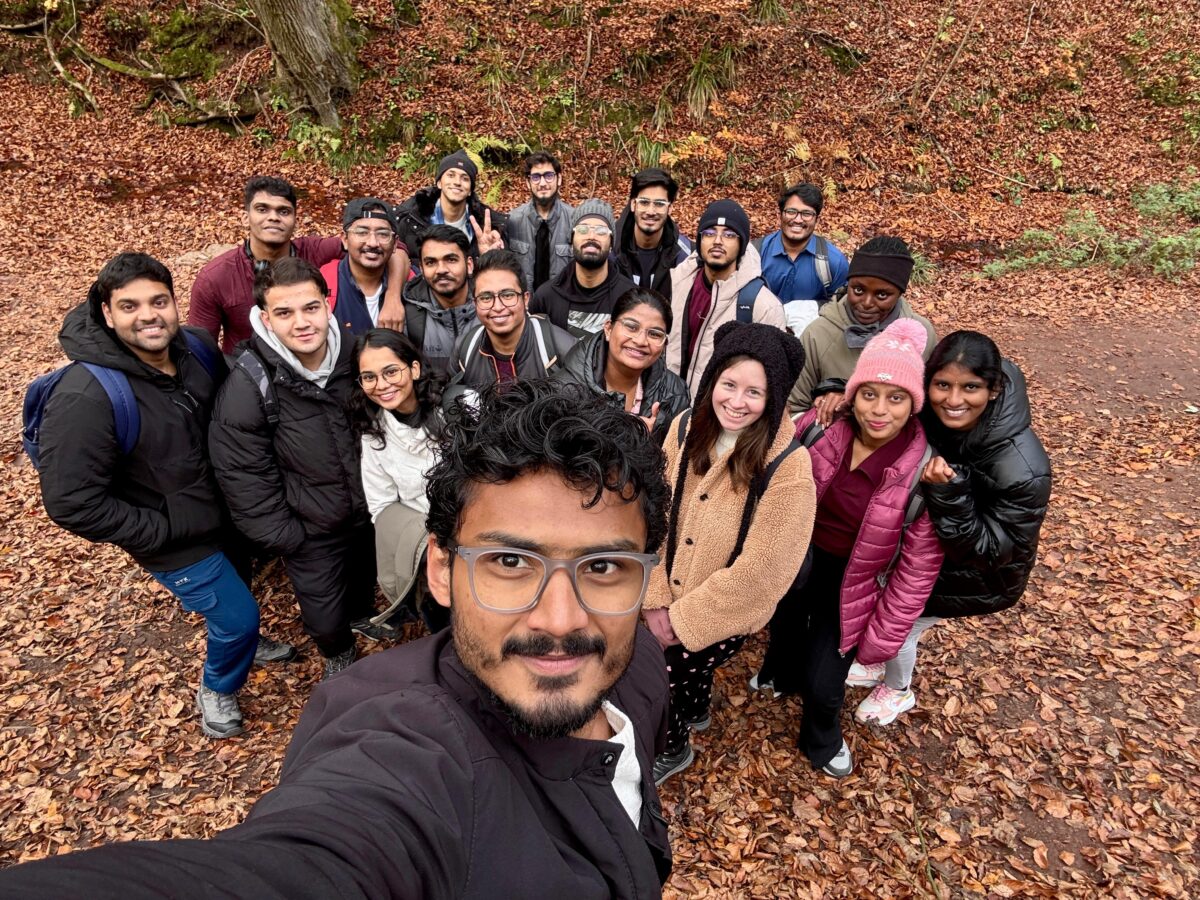
 Since its inception in 2021, the DEGIS Buddy Program has supported over 1,000 international students across Germany. The idea is simple but powerful: connecting Newbies, students who have just arrived in Germany, with Veterans, students who have already been here for at least six months.
 The
The 
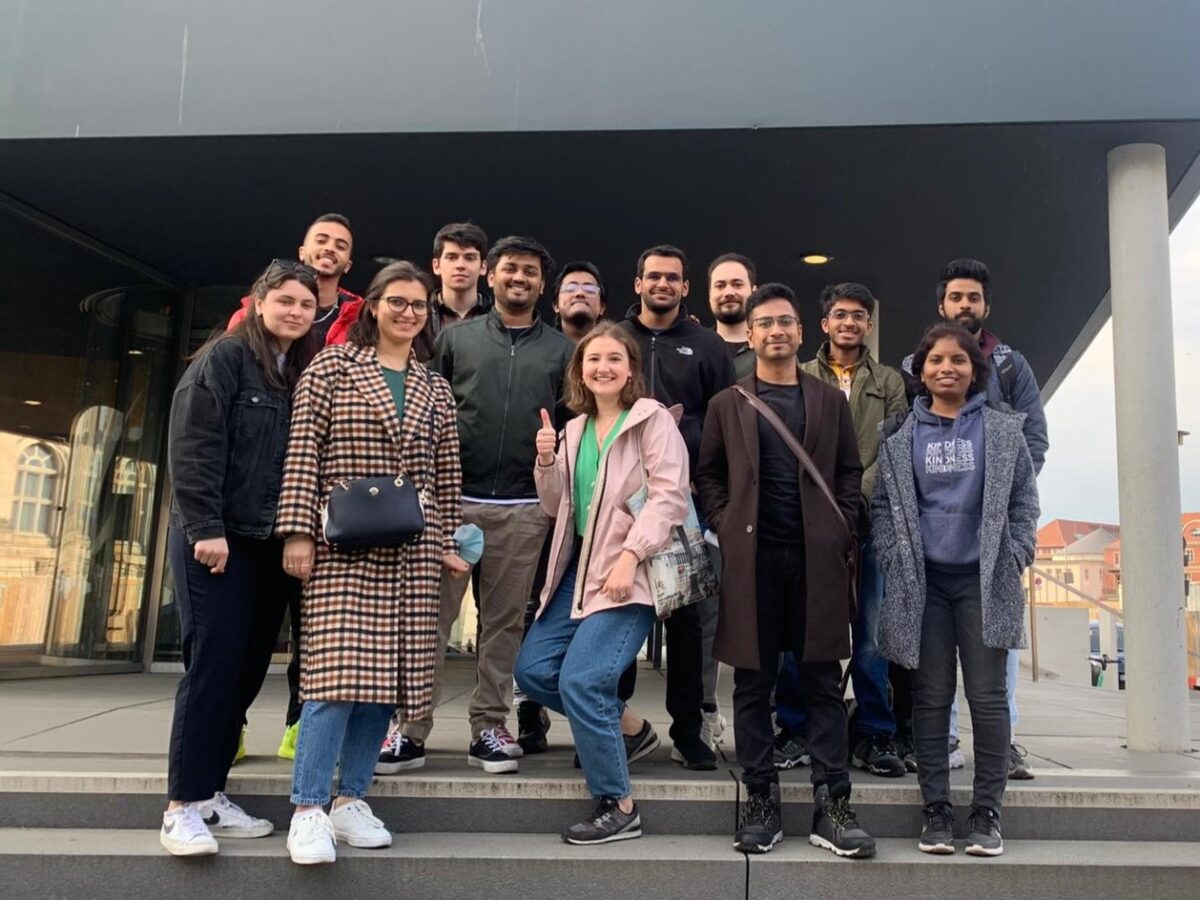

 Leadership doesn’t mean doing everything alone. It means collaborating, experimenting, asking questions, and growing together. Whether you feel more comfortable behind the scenes or stepping up to lead a team, there’s space to explore at your own pace.
 For many of us, moving to Germany can be a confusing, even isolating experience. DEGIS is a space for reorientation—a place to meet others on the same journey, to feel connected, and to build something meaningful together.